Quick Answer
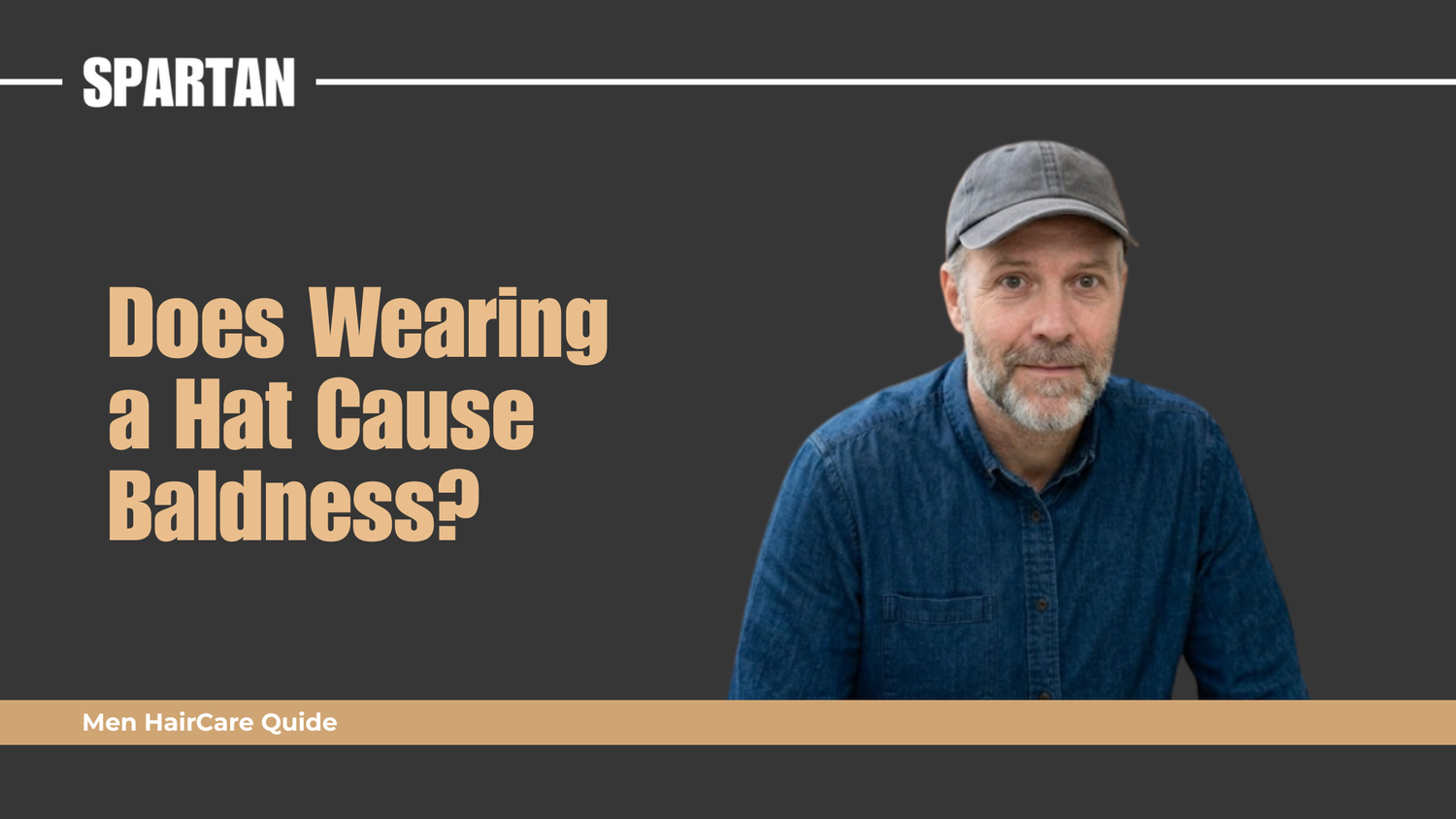
No, wearing a hat does not cause baldness. Male pattern hair loss is primarily caused by genetics, DHT (dihydrotestosterone), hormones, age, and scalp health—not by hats. While extremely tight headwear may cause temporary stress on hair strands in rare cases, normal hat use does not make men go bald.

Detailed Explanation
Few hair loss myths have survived as long as this one.
For decades, men have been warned:
- "Stop wearing hats."
- "Your scalp can't breathe."
- "You're going to make yourself bald."
Many men start noticing:
- thinning hair
- a receding hairline
- crown loss
and immediately wonder:
Is my hat causing this?
It's a reasonable question.
After all, if you wear a cap every day and then start losing hair, it can seem connected.
But the truth is much simpler.
Hats Do Not Cause Male Pattern Baldness
The real causes of hair loss are happening beneath the scalp—not above it.
Let's break down the science.
Where Did the Hat Myth Come From?
The myth likely started because many men who wear hats regularly also experience hair loss.
Think about:
- athletes
- construction workers
- military personnel
- truck drivers
- outdoor workers
Many wear hats daily.
Many also lose hair.
But correlation is not causation.
Male pattern baldness affects millions of men regardless of whether they wear hats or not.
The hat becomes an easy thing to blame.
What Actually Causes Hair Loss?
The biggest cause of male hair loss is:
DHT (Dihydrotestosterone)
DHT is a hormone created from testosterone.
For men who are genetically sensitive to DHT:
- hair follicles gradually shrink
- growth cycles become shorter
- hairs become thinner
- follicles weaken
Over time:
- the hairline recedes
- crown thinning develops
- density decreases
This process is called:
Follicle Miniaturization
And it happens whether you wear:
- a baseball cap
- a beanie
- a cowboy hat
- no hat at all
Can Hair Follicles "Breathe"?
One of the biggest arguments against hats is the idea that they prevent the scalp from breathing.
Here's the reality:
Hair Follicles Do Not Breathe Air
Hair follicles receive oxygen through the bloodstream.
Not from the surrounding air.
Even if your head is completely covered:
- blood still circulates
- oxygen still reaches follicles
- nutrients still reach roots
So the idea that a hat "suffocates" your scalp is simply not true.
Can Tight Hats Damage Hair?
This is where the myth becomes slightly more complicated.
Normal hats do not cause baldness.
However:
Extremely Tight Headwear Can Create Friction
Constant rubbing may contribute to:
- hair breakage
- strand damage
- temporary stress
But there's an important distinction:
Hair Breakage ≠ Hair Loss
Broken hairs can make hair appear thinner.
But they do not cause male pattern baldness.
The follicles remain alive and capable of producing hair.
What Is Traction Alopecia?
There is one hair condition sometimes associated with tension.
It's called:
Traction Alopecia
This happens when hair is constantly pulled for long periods.
Examples include:
- tight braids
- tight ponytails
- hair extensions
- constant tension hairstyles
In rare situations, extremely tight helmets or headwear could contribute to traction-related stress.
But normal hats do not create enough pulling force to cause this problem.
Why Men Often Blame Hats for Hair Loss
Here's what usually happens:
Age 20–30
A man starts wearing hats regularly.
At the same time, DHT-related hair loss begins.
Age 30–40
Hair thinning becomes more visible.
The man notices:
-
- more scalp visibility
- temple recession
- crown thinning
Conclusion
He assumes:
"My hat caused this."
In reality:
The timing is coincidental.
Hair loss was already developing beneath the surface.
Hair Loss Triggers That Actually Matter
Instead of worrying about hats, focus on the real causes.
1. Genetics
Family history plays a major role.
If your father or grandfather experienced hair loss, your risk is higher.
2. DHT Sensitivity
DHT remains the leading cause of male pattern baldness.
Many men use:
- DHT-blocking shampoo
- hair growth shampoo men formulas
- scalp-supporting products
to help support healthier hair routines.
3. Stress
Chronic stress can trigger:
- increased shedding
- weaker growth cycles
- scalp inflammation
4. Poor Nutrition
Hair requires:
- protein
- iron
- zinc
- vitamins
Without proper nutrition, growth may suffer.
5. Poor Scalp Health
An unhealthy scalp can contribute to:
- irritation
- inflammation
- weaker follicles
Does Wearing a Hat Make Hair Greasier?
Sometimes.
A hat can trap:
- sweat
- oil
- heat
especially during exercise or hot weather.
But this doesn't directly cause baldness.
It simply means scalp hygiene becomes more important.
Should You Wash Your Hair More If You Wear Hats?
Not necessarily.
But if you:
- sweat heavily
- wear hats daily
- work outdoors
regular scalp cleansing helps maintain a healthier environment.
Many men choose:
- hair growth shampoo for men
- shampoo for thinning hair men
- best hair loss shampoo for men
to support scalp health as part of a daily routine.
What About Baseball Players Going Bald?
This is another common argument.
Many people point to professional athletes.
The assumption:
Baseball Cap = Baldness
The reality:
Most professional athletes experiencing hair loss are dealing with:
- genetics
- DHT
- age-related thinning
The same factors affecting millions of other men.
Can Hats Protect Your Hair?
Interestingly:
In some situations, hats may actually help protect hair.
Sun Protection
Excessive UV exposure can:
- weaken hair strands
- damage the scalp
- increase dryness
A hat can reduce direct sun exposure.
Environmental Protection
Hats may shield hair from:
- wind
- dust
- pollution
which can help reduce physical stress on hair.
Self-Check Tips: Is Your Hair Loss Actually Genetic?
Ask yourself:
Is my hairline receding?
Is my crown thinning?
Does hair loss run in my family?
Is my hair becoming finer over time?
Is scalp visibility increasing?
If the answer is yes, DHT and genetics are much more likely causes than hat use.
Can Wearing a Hat Hide Early Hair Loss?
Absolutely.
Many men start wearing hats more often after noticing:
- thinning temples
- crown loss
- receding hairlines
This creates another misconception.
People see:
Hair Loss → Hat Use
and assume:
Hat Use → Hair Loss
The timeline is usually reversed.
Men wear hats because they're losing hair.
Not the other way around.
What Should Men Focus on Instead?
Rather than worrying about hats, focus on the factors that actually influence hair health.
Scalp Health
Healthy follicles need a healthy environment.
DHT Management
DHT remains the biggest contributor to male pattern baldness.
Nutrition
Hair growth depends heavily on proper nutrition.
Stress Management
Lower stress supports healthier growth cycles.
Consistent Hair Care
A daily routine is often more important than any single product.
Vet Insight (Expert Style Section)
Think of your hair follicles like plants.
A hat is simply shade.
The real issues happen underground.
If the roots are healthy, shade won't hurt them.
If DHT is damaging the roots, removing the shade won't save them.
That's why focusing on follicle health matters far more than worrying about hats.
Myth vs Fact
Myth: Hats stop your scalp from breathing
Fact: Hair follicles receive oxygen through blood circulation, not air.
Myth: Wearing hats causes baldness
Fact: Male pattern baldness is caused by DHT and genetics.
Myth: Hats make hair fall out
Fact: Normal hats do not damage hair follicles.
Myth: Taking off your hat will stop hair loss
Fact: Removing hats does not stop DHT-related thinning.
How Spartan Supports Men's Hair Care Routines
For men dealing with:
- thinning hair
- scalp stress
- receding hairlines
- hair maintenance concerns
TrySPARTAN offers hair care products designed specifically for men's hair and scalp needs.
Their collection includes:
- hair growth shampoo for men
- DHT-focused hair care products
- scalp-supporting grooming essentials
- daily hair maintenance solutions
Men searching for:
- best hair loss shampoo for men
- hair growth shampoo men
- DHT blocking shampoo
- shampoo for thinning hair and hair loss
often benefit most from consistent routines rather than worrying about common hair loss myths.
Best Solution Summary
If you're worried that your hat is causing hair loss:
The Good News: It probably isn't.
Instead:
- Focus on scalp health
- Support healthy follicles
- Improve nutrition
- Manage stress
- Address DHT-related hair loss
- Use consistent hair care routines
These factors matter far more than your choice of headwear.
Frequently Asked Questions
Does wearing a hat every day cause baldness?
No. Daily hat use does not cause male pattern baldness.
Can a tight hat make hair fall out?
Extremely tight headwear may contribute to hair breakage, but it does not typically cause baldness.
Is it bad to wear a hat with wet hair?
Occasionally is fine, but repeatedly trapping moisture may contribute to scalp irritation.
Do baseball caps damage hair follicles?
No. Normal baseball cap use does not damage hair follicles.
What is the biggest cause of male hair loss?
DHT and genetics remain the leading causes of male pattern baldness.
Final Takeaway
The debate has been going on for generations.
But the science is clear:
Wearing a hat does not cause baldness.
If you're experiencing:
- a receding hairline
- thinning hair
- crown loss
the real causes are much more likely to be:
- DHT
- genetics
- hormones
- scalp health
- lifestyle factors
So wear your favorite hat without worrying.
Your hairline is being shaped by what's happening inside your follicles—not by what's sitting on top of your head.